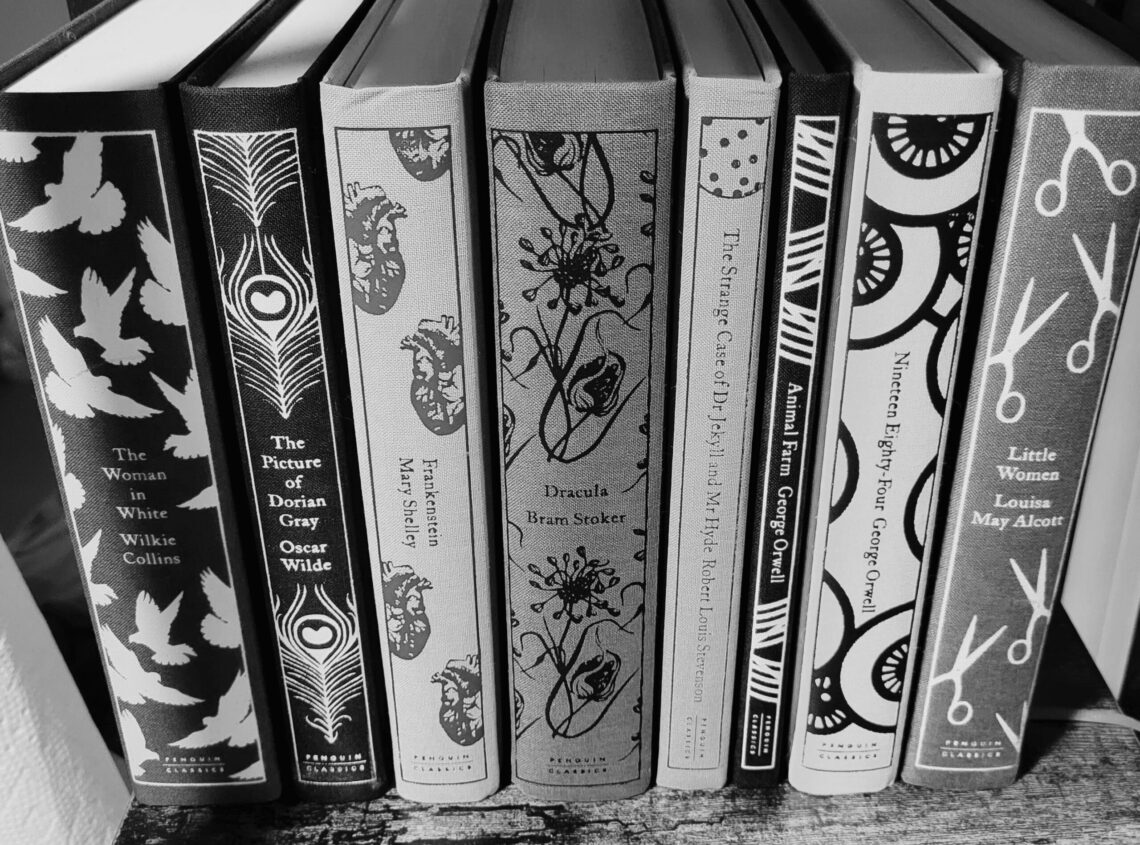
I was introduced to Gothic literature as just a babe, in my seventh grade English class. I was immediately enamored by the visceral emotions that it can evoke, and the way that it entrapped my mind within the words. I remember the way that my heart raced while reading The Tell-Tale Heart by Edgar Allan Poe, the chill that crawled down my spine during the final twist of A Rose for Emily by William Faulkner, and the world around me coming to a stand-still as I practically devoured Dracula by Bram Stoker.
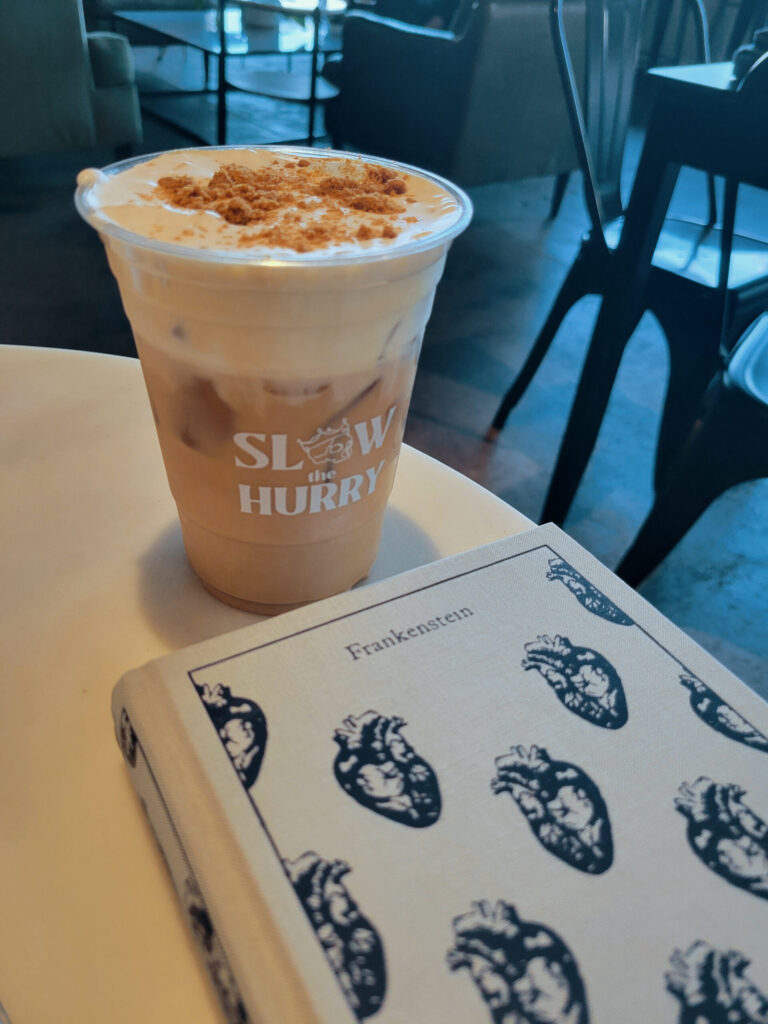
Despite falling in love with Gothic literature then, I never went much further than what was assigned to me in school. I’ve read Frankenstein and Dracula a few times each, and I’ve even read The Strange Case of Dr. Jekyll and Mr. Hyde by Robert Louis Stevenson twice, but that’s about it. That’s something I want to change.
While I’ve always admired and appreciated Gothic literature, I haven’t loved it like I used to in over a decade. Reading became an escape for me over the years, and because of that, I’ve gravitated more toward “easy” books that are lighter and don’t take a lot of brain processing. There’s nothing wrong with that, but I want to start challenging myself.
The only hurdle is actually starting.
Thankfully, even though my love for Gothic literature has collected dust over the years, that’s not the case for everyone. It feels like more adaptations of classic Gothic literature are being made recently than they’ve been in a while, or at least that they’re gaining more mainstream popularity.
Modern Screen Adaptations of Gothic Literature
One of my favorite directors, Mike Flanagan, paired with Netflix to create multiple series based on Gothic literature:
- “The Haunting of Hill House” (2018) was loosely based on Shirley Jackson’s The Haunting of Hill House
- “The Haunting of Bly Manor” (2020) was loosely based on Henry James’s The Turn of the Screw
- “The Fall of the House of Usher” (2023) was loosely based on Edgar Allan Poe’s The Fall of the House of Usher, along with his other works
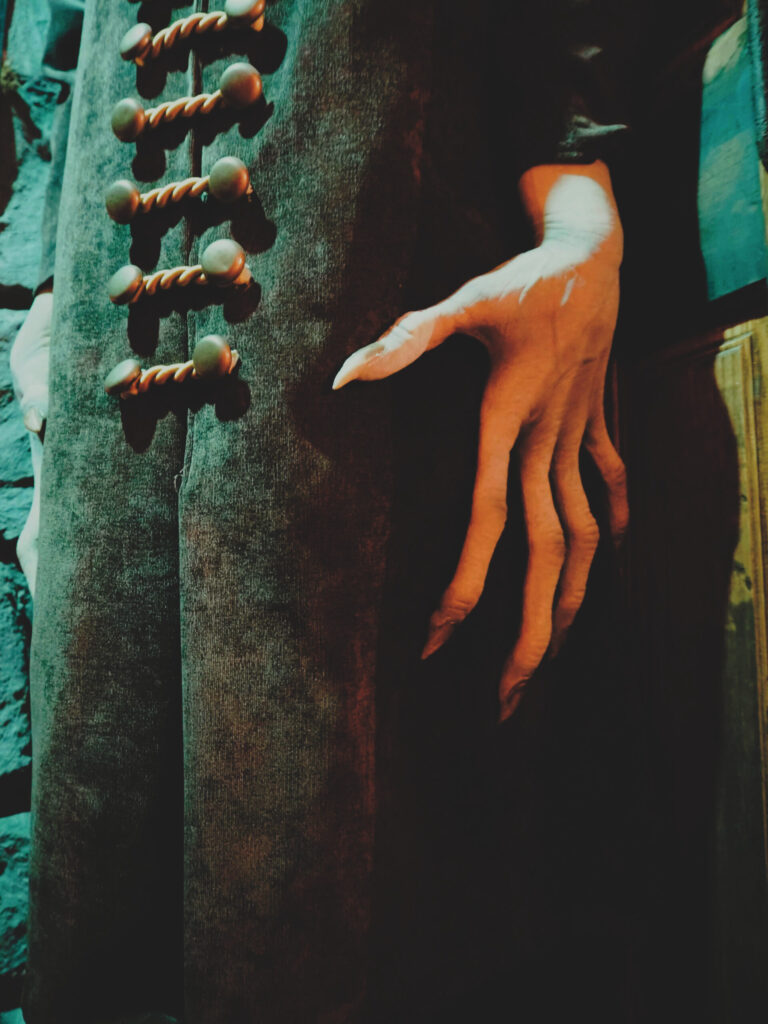
In 2024, Robert Eggers directed a remake of “Nosferatu.” It may not be a direct adaptation of Dracula by Bram Stoker, but the inspiration is clear. There were parts of the movie that I didn’t care for, but overall, I absolutely loved the cinematography and writing, and the acting was phenomenal.
2025 brought us Guillermo del Toro’s “Frankenstein”, the most recent adaptation of Mary Shelley’s Frankenstein. I haven’t watched it yet, but I’ve heard nothing but good things from friends so far.
2026 is set to bring us Emerald Fennell’s “Wuthering Heights,” loosely adapted from Emily Brontë’s Wuthering Heights. At the time of writing, this hasn’t been released yet, so there’s no telling how the movie will land with audiences. I am tentatively excited, but I also saw a trailer that said the film was “inspired by the greatest love story of all time,” which has me a bit wary. Wuthering Heights isn’t exactly known for portraying a healthy love.
This is only a handful of the most popular adaptions that have come out recently. And, with them, comes an interesting opportunity for inspiration.
The Game Plan
With so many adaptations out, or coming out soon, I can use them as motivation to read (or reread) the classic inspirations before watching the new movies and shows. There are already so many amazing adaptions, but the newness of the modern adaptations adds a certain shiny-ness that I think will push me to actually move forward.
Here’s the plan:
- I’m going to start with a reread of Mary Shelley’s Frankenstein, followed by watching Guillermo del Toro’s “Frankenstein.” I may even watch other adaptations, just to see how they compare and contrast. This seems like a safe bet, since I’ve already read Frankenstein multiple times and I know that I love it.
- Next, I’m going to read Emily Brontë’s Wuthering Heights, followed by watching Emerald Fennell’s “Wuthering Heights.” With a goal to watch it in theaters, I think I’ll be properly motivated to finish it. It’ll be a first-time read for me, so I’m excited about branching out so early in my plan.
- After that, I’m going to read Edgar Allan Poe’s The Fall of the House of Usher, followed by watching Mike Flanagan’s “The Fall of the House of Usher.” I’ve read a few things by Poe, so I know that I love his writing, but I’ve never read The Fall of the House of Usher. Since I’ve never seen the series either, it will make for a fun matchup.
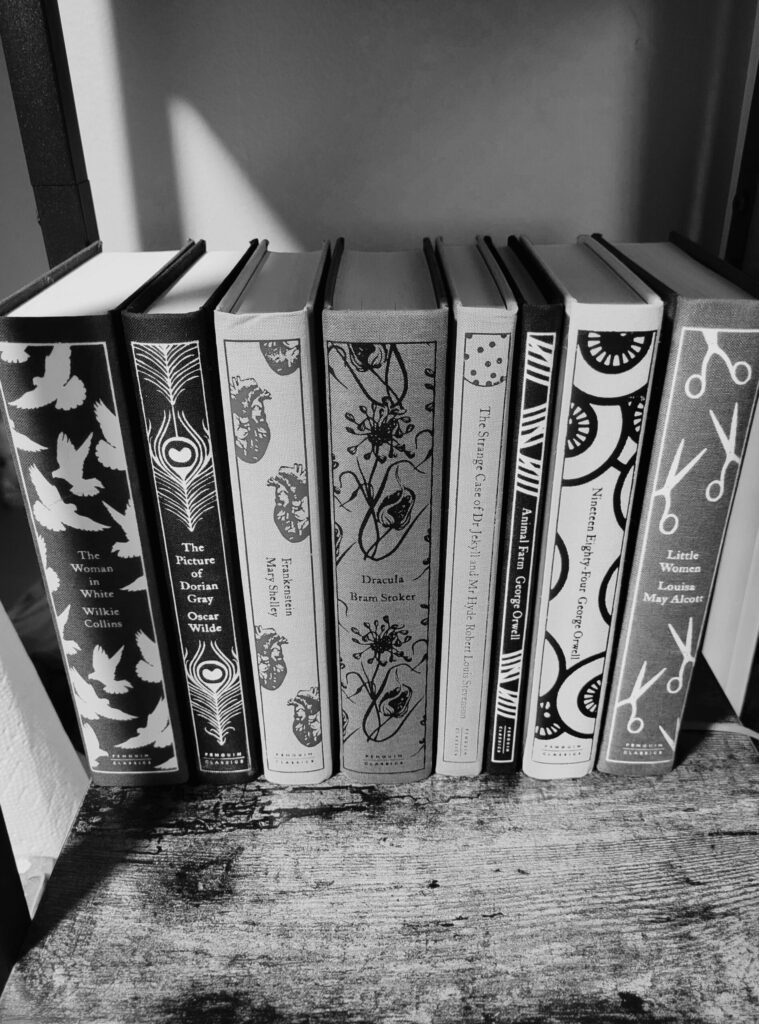
From there, the world is my oyster! I think that dipping my toes in with three classics will make me ready to fully dive back into the classics, and I’m really looking forward to it!
The list of classics I want to read is extensive, and all of this gets me one step closer to my ultimate goal of diversifying my reading. There are so many amazing classics out there that I haven’t read yet, but they feel far outside of my comfort zone. I want to push myself past that, and there are many more articles to come as I begin that journey.
Thank you for exploring with us! Until next time, may the pages and paths ahead of you be great.