There is something deeply human about seeing a horizon and wanting to go beyond it. We are curious creatures. We want to know what’s out there. Our fingers are always itching toward the blank edges of the map.
And when we can’t go there ourselves, there are other ways to get a taste of the experience. One of the oldest of these is the written word. Travelers publish notes from their faraway adventures, friends send letters from voyages abroad, and books published around the world carry authors’ voices far beyond any land they may tread in their lifetime.
Today, books, blogs, and even social media posts continue to show the transportative power of the written word, allowing distant readers to encounter local ideas, struggles, and beauty. Of course, with our modern travel capabilities, we can reach places we’ve never been able to before — but there are always barriers, whether age, health, finances, or other vagaries of circumstance. In these times, the written word lets us travel by mind. Before I got my passport, my means of travel was via adventure books, travel accounts, and my precious stock of National Geographic magazines. Even now, while I’m inexpressibly grateful for the travel avenues available to me, I would love to be able to do it more. And so, the stories of others fill the gap.
As the popular quote goes:
“A reader lives a thousand lives before he dies. The man who never reads lives only once.”
– George R. R. Martin
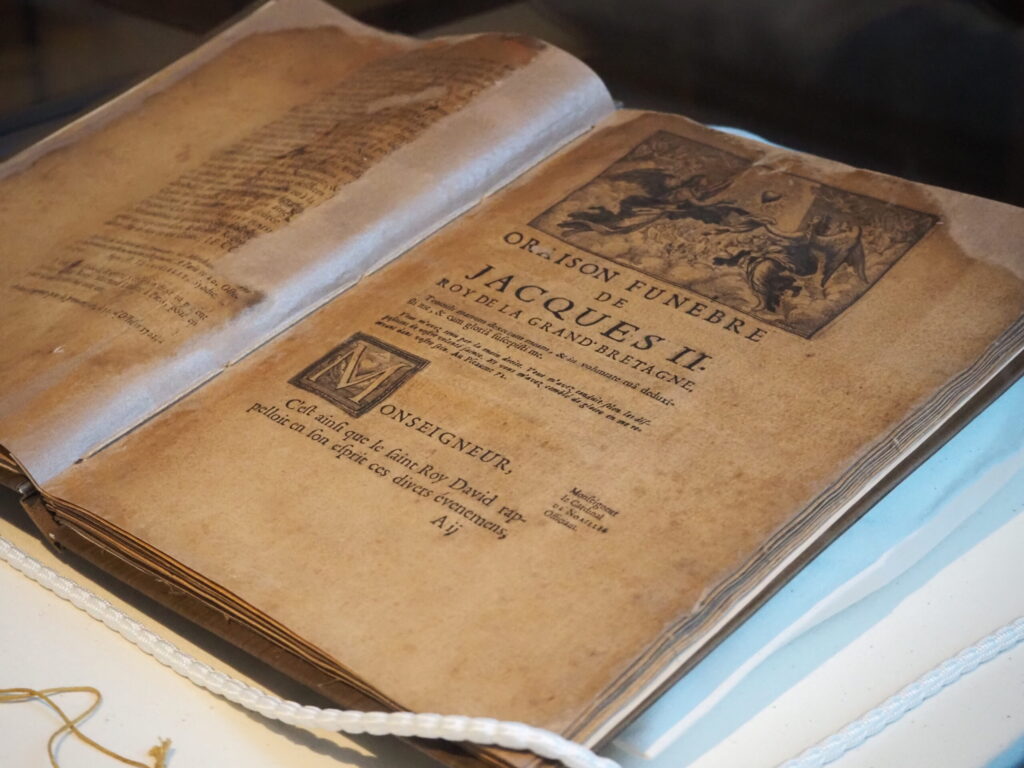
But for all the ways we can move the miles today, there’s still a kind of distance we can’t traverse: time. Here, too, the written word reaches out for us, allowing us to converse with those long gone and leave our voices for people we will never meet.
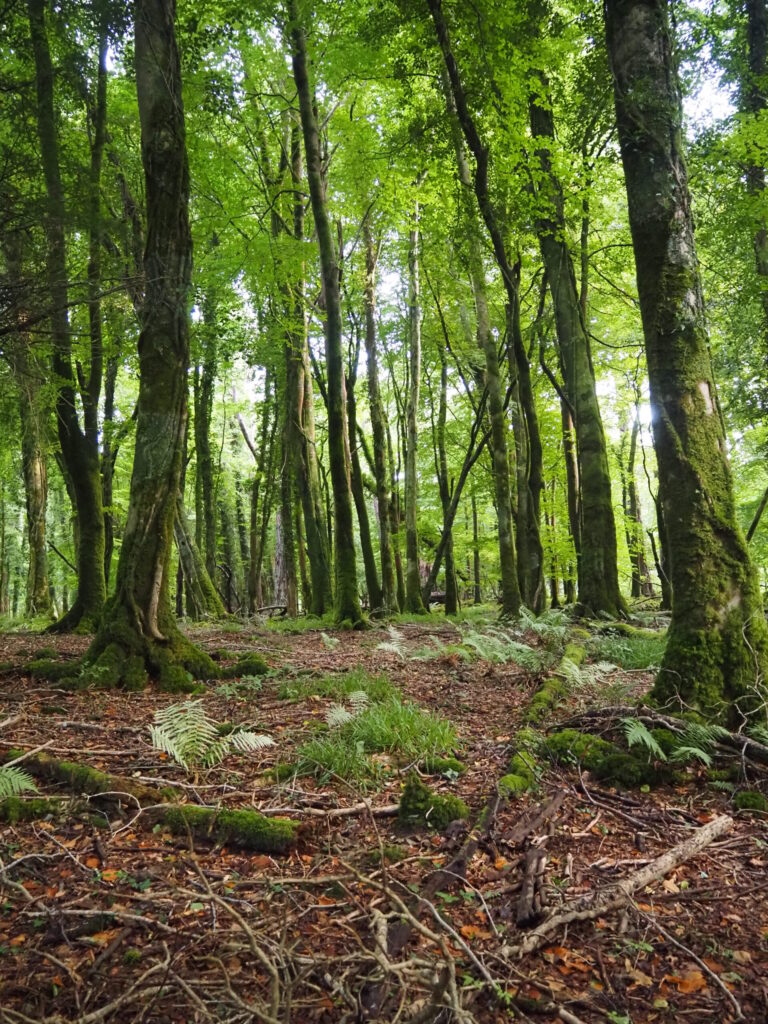
That’s what the Future Library in Oslo, Norway is busy doing. This project holds selected authors to a unique and visionary 100-year contract; their writing, held in trust until 2114, will eventually be printed on paper made from trees that are currently growing in the Future Library forest.1 A demonstration of hope for our environmental future and a beautiful twist on the time capsule concept, this project highlights how our written words live on beyond our own years and can reach out to futures we can prepare for, hope for, and strive for — and ultimately never see.
Norwegian Vice Mayor for Culture at the time of the project’s launch, Omar Samy Gamal, remarked that the Future Library is “a symbol of our common hope and our shared commitment as humanity to fight for a world that lasts longer than our lifetime.”1
When we read the words of those no longer with us, or leave our own for posterity, we’re using the power of story to reach across time — to grasp for a handhold in the future or the past. That’s the goal of all communication in the end, isn’t it? Connection between the sender and the receiver. An extension of ourselves, reaching out.
There’s always been a sense of literature taking us where we can’t go ourselves, whether that’s the future, a distant land, or a fantasy world. Reading and writing are a map and compass, a means to go beyond the visible horizon.
So the next time you pick up your book, I hope you relish the journey.
Happy travels.
Thank you for exploring with us! Until next time, may the pages and paths ahead of you be great.
Sources:
- The Future Library Trust. (n.d.). Information. Future Library. https://www.futurelibrary.no/#/information