When Sabrina first brought up her idea for her “Is Anyone Out There? How Literature Reaches Across Space and Time” article, she presented it to me initially as a musing on literature as communication across time. Me being me, my brain took it down a similar but different path than what she intended.
Sabrina is, of course, completely correct on “the transportative power of the written word,” but I want to focus more on how “the written word reaches out for us, allowing us to converse with those long gone and leave our voices for people we will never meet”4 because it resonates deeply with a feeling that I had touring Italy as an 18-year-old.
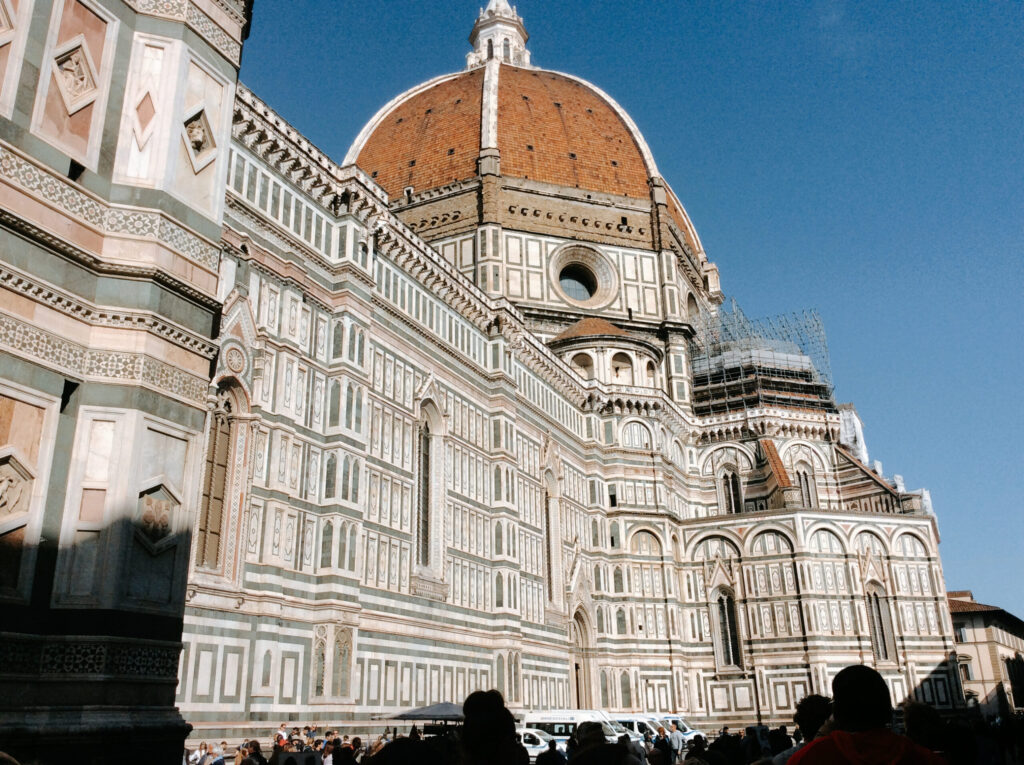
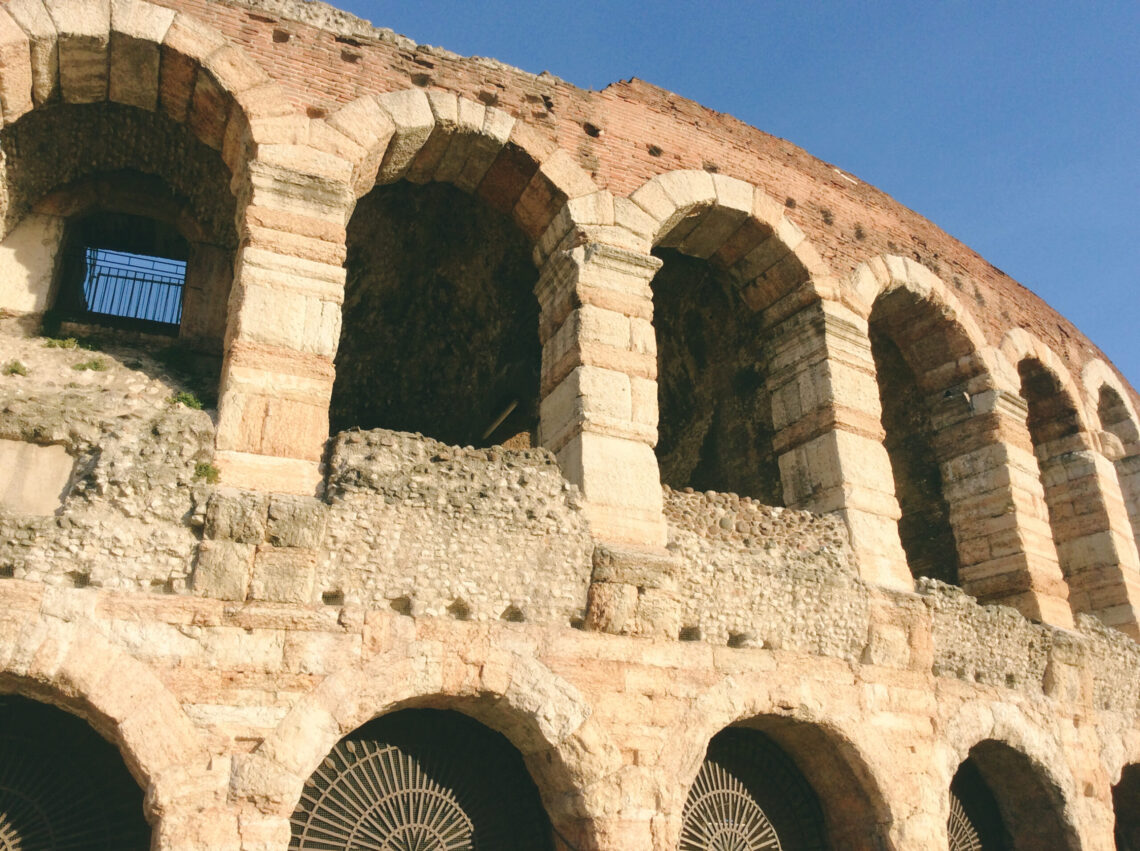
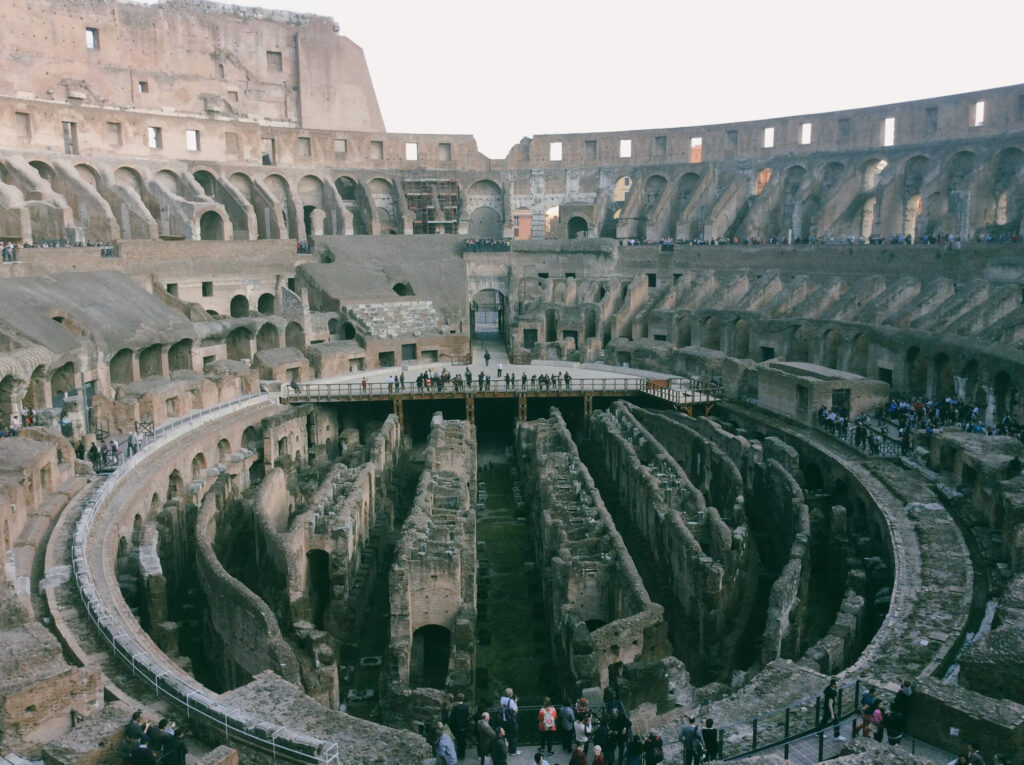
I was fortunate enough to visit Italy during my senior year of high school; our band director acted as a group leader through EF Educational Tours. We got to visit Verona, Florence, Pisa, Venice, and Rome and each place had me completely awestruck. It was difficult for me to fully wrap my head around the fact that some of those gorgeous monuments had been around for centuries, even more than a millennium. The Colosseum itself is nearly two millennia old.3
I couldn’t help but wonder — what have we created that will last two millennia after we’re all gone? What have we created that will stand the test of time?
I was stuck on the idea that people far in the past built things to last, and it felt so opposite from how I saw the common mentality today — wanting things as cheap and quick as possible. Now, I understand that there’s more nuance to it, including that many of those monuments were created by enslaved people, which is something generally frowned upon today, and the resources spent toward building something on that scale would be much better used for helping people that need it.
And, yet, we have created things that will stand the test of time: literature.
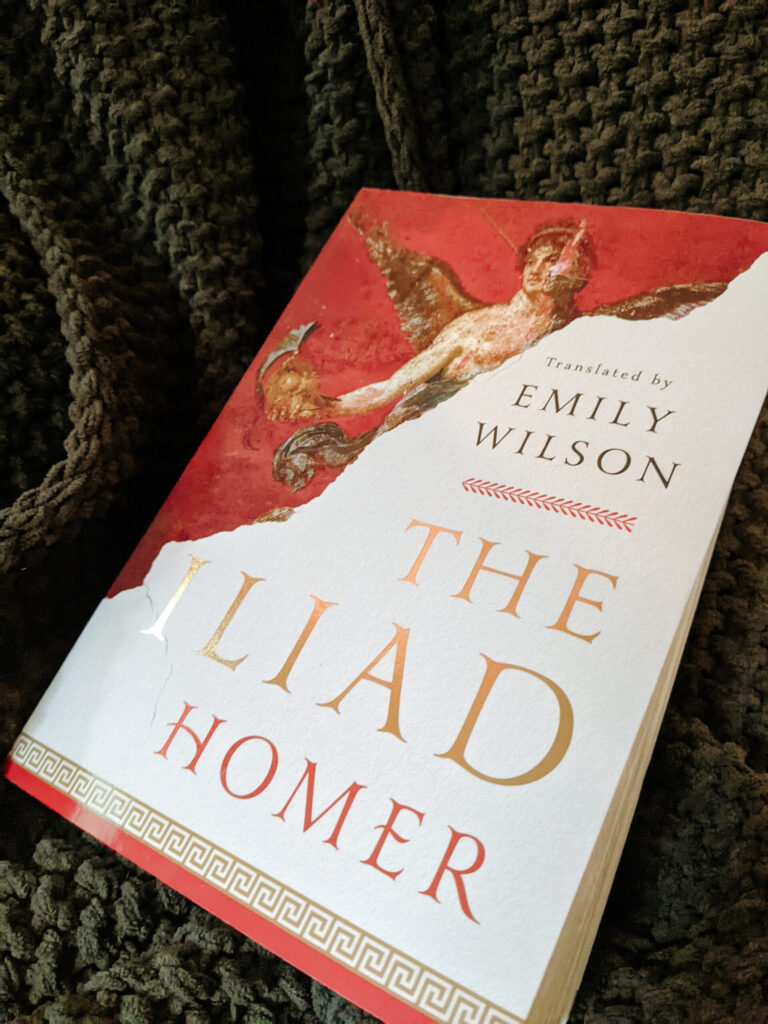
We may not have duomos or a Colosseum, but we do have the written word. Some things have been lost to time, but there are so many pieces of literature that have endured much longer than any structure can or will. The oldest known piece of literature is The Epic of Gilgamesh, with its earlier parts making it about double the age of the Colosseum.1 Even The Iliad and The Odyssey are older than the Colosseum,2 which is a crazy thing to think about. Two millennia from now, will those works still be known? Will pieces of literature from now still be remembered?
I think they will, and that fills my heart with hope.
Thank you for exploring with us! Until next time, may the pages and paths ahead of you be great.
Sources:
- Andrews, E. (2025, August 19). What is the oldest known piece of literature? | HISTORY. HISTORY. https://www.history.com/articles/what-is-the-oldest-known-piece-of-literature
- Cartwright, M., & Cartwright, M. (2025). Iliad. World History Encyclopedia. https://www.worldhistory.org/iliad/
- The Editors of Encyclopaedia Britannica. (2025, October 19). Colosseum | Rome, Definition, characteristics, History, & Facts. Encyclopedia Britannica. https://www.britannica.com/topic/Colosseum
- Howard, S. (2025, October 22). Is anyone out there? How literature reaches across space and time – Philia Archives. Philia Archives – literary and geographical explorations. https://www.philiaarchives.com/literature-space-time/